
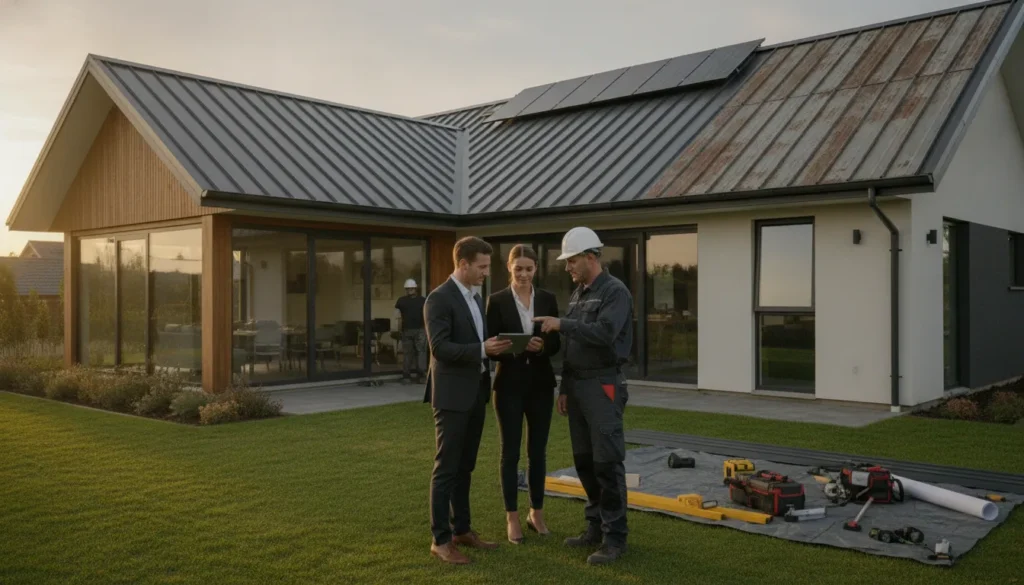
Two metal roof estimates can look similar at first, then differ by thousands of dollars. One may include tear-off, underlayment, flashing, and disposal, while another leaves some of those costs out. The metal roof replacement cost also depends on the roof’s shape, access, selected panel system, and any repairs needed beneath the existing materials. In coastal communities like North Myrtle Beach, Little River, and Myrtle Beach, you’ll also want to ask how the proposed materials and installation address salt air, wind, and heavy rain. Knowing what to look for can make quotes easier to compare and help you ask clear questions before signing a contract.
Key Takeaways
- Treat online prices as planning estimates: Your final cost depends on measured roof area, system choice, roof design, equipment, penetrations, color, and installation needs.
- Choose materials for coastal exposure: Ask how the panels, finish, fasteners, and flashing suit salt air, wind, and heavy rain.
- Compare itemized quotes: Check that each bid covers the same materials, removal, repairs, permits, warranties, and cleanup before choosing a contractor.
What Does Metal Roof Replacement Cost?
Metal roof replacement prices can vary substantially. Published estimates offer a useful starting point, but your project’s cost depends on the roof’s measured area, the system you choose, and the work required to install it. For a coastal home, material and installation choices should also suit exposure to salt air, wind, and heavy rain.
What Is the Typical Installed Cost per Square Foot?
A broad estimate for an installed metal roof is $7 to $30 per square foot, including materials and labor. The range reflects the differences between systems, from simpler exposed-fastener panels to more complex standing-seam roofing. Roof shape, access, removal of existing materials, and local labor costs can also affect the price. Jag Metals explains the range in its metal roof cost guide.
Check how a contractor calculates square footage. Roofing estimates are generally based on the roof’s surface area, not the home’s interior living area or footprint. Pitch, overhangs, and roof layout can increase the area that needs coverage, so a contractor’s measurement is more useful than a rough estimate based on home size.
What Might a Typical Home Cost?
For a 2,000-square-foot home, a rough estimate based on the range above is $14,000 to $60,000. That figure is only a starting point, not a quote. The roof may cover more area than the home’s stated square footage, and the metal type, panel profile, roof design, and installation requirements can shift the total. Jag Metals’ cost guide uses a similar range to illustrate how much project costs can vary.
To get a more useful number, ask contractors to measure the roof and describe the proposed work. For homes in Myrtle Beach and nearby coastal communities, ask how the recommended materials and installation details suit local weather exposure.
What Does a Replacement Estimate Include?
A clear estimate should identify the roofing system, materials, labor, removal and disposal of the existing roof, underlayment, flashing, and cleanup. It should also explain how the contractor will inspect the roof deck and price any damaged decking found during the project. Ask whether permits and other project-specific charges are included.
Check the exclusions before comparing bids. Some estimates, for example, may not include repairs discovered after tear-off. Ask how the contractor will get your approval before doing additional work, and request the process in writing. Reviewing a roof replacement checklist can help you spot important scope details before signing.
Why Do Estimates Vary?
Estimates can differ because contractors may be pricing different materials, measurements, installation methods, or project scopes. A steep or complex roof often requires more labor than a simple roof of similar size. Metal type and thickness, panel profile, finish, and fastening system also affect material costs. Local labor and supply prices contribute to the total.
Compare quotes line by line, not just by their bottom-line price. Confirm that each includes the same work for tear-off, underlayment, flashing, repairs, and cleanup. For a coastal property, ask how the proposed roofing system is suited to salt air and wind. Coastline Roofing serves Myrtle Beach and surrounding communities and can assess your roof and explain the scope of a replacement proposal.
What Affects Metal Roof Replacement Cost?
A metal roof replacement estimate reflects more than the panels. Roof shape, material choices, the condition of the existing roof, and local project requirements all affect the scope of work. When comparing quotes, look beyond the total and check what each contractor plans to install, remove, and repair.
How Do Roof Size, Pitch, Stories, and Design Affect Cost?
A larger roof generally needs more material and installation time. Its actual surface area matters more than the home’s footprint, since a steep or complex roof can have far more roofing area than it appears to from the ground. Steeper slopes may also require extra safety measures and can take longer to work on. Multiple stories and limited space for staging materials may add to the labor involved.
Equipment is another cost factor. If the roof is more than one story, a lift may be required to get panels, tools, and the crew up to the roof plane. Ask whether that equipment is included in the estimate or priced separately.
Roof design affects the number of cuts, transitions, and flashing details required. Valleys, dormers, skylights, chimneys, and other features can make installation more involved than covering broad, uninterrupted sections. As Kaufman Roofing notes, square footage, pitch, material, and region can all affect replacement costs. Ask your contractor how your roof’s layout influences the estimate.
How Do Metal Type, Gauge, Finish, and Panel Profile Affect Cost?
The metal and panel system you choose can make a noticeable difference in the estimate. Exposed-fastener panels are often less expensive than standing-seam systems, which use concealed fasteners and have different installation requirements. Standing seam is typically aluminum, not steel. Steel is more common on exposed-fastener panels. Copper typically costs more. The metal’s gauge, or thickness, and its finish can also affect the material price.
Panel profile matters for both appearance and installation. Standing seam comes in two styles: single lock and double lock. Double lock takes more labor and more detail because the crew needs a special tool to close the seam. Compare complete system specifications, not just the panel price, and ask which options suit your roof and coastal exposure. A metal roofing cost guide from Home Genius Exteriors shows how installed prices differ by system. Online estimates are only a starting point: product choices, roof complexity, and local labor rates all shape the final quote.
How Do Tear-Off, Disposal, Underlayment, and Deck Repairs Affect Cost?
If the existing roof needs to come off, the estimate may include labor to remove it, disposal, and hauling. Whether an old roof can remain in place depends on its condition, the proposed roofing system, local requirements, and manufacturer instructions. Ask whether removal and disposal are included in the quoted price or listed separately.
The estimate should also specify underlayment and flashing, which are important parts of the completed roof system. After tear-off, the crew may discover damaged roof decking that needs repair or replacement. That work can add cost and may not be clear until the old material is removed. A metal roof cost breakdown from Cobex lists tear-off, underlayment, and deck replacement as separate expenses. Before work begins, ask how the contractor will document hidden damage and get your approval for any added work.
How Do Labor, Site Access, Permits, and Local Conditions Affect Cost?
Labor costs depend on the roofing system, installation complexity, crew experience, and the time needed to complete the work safely. Difficult access can add time if the property has limited staging space or materials are harder to move onto the roof. If the roof is more than one story, a lift may be required to get panels, tools, and workers to the roof plane, and that equipment adds to the price.
The number of penetrations, such as vents, pipes, and chimneys, can also change the price because each one needs extra flashing and labor. Color matters too: some colors cost more than others. Permits and inspections may also affect the total, depending on local requirements.
For homes and buildings in Myrtle Beach and nearby coastal communities, ask how the estimate accounts for local codes, permitting, and site conditions. Regional labor rates and requirements can make local quotes differ from national averages. NerdWallet’s metal roofing cost guide explains that costs vary by region. A local contractor such as Coastline Roofing can assess your property and clarify how access, coastal exposure, and project requirements affect the work.
How Do Metal Roofing Systems Compare in Cost?
Metal roofing costs vary by panel style, material, and installation requirements. The figures below are rough installed price ranges, not quotes. Your roof’s size and design, the condition of the decking, and coastal exposure can all affect the price. For an accurate comparison, ask contractors to list the exact products and work included in each estimate.
Corrugated and Exposed-Fastener Panels.
Corrugated and other exposed-fastener panels are often among the more affordable metal roofing options. A rough installed range is $5 to $12 per square foot, though the final price depends on the metal, roof design, labor, and whether the existing roof needs to be removed. The metal roofing cost guide provides a starting point for comparing system types.
With exposed-fastener panels, screws pass through the panels and remain visible. Ask whether the estimate includes fasteners designed for the selected panels, along with underlayment, flashing, tear-off, and disposal. On coastal properties, discuss how the product and its components are suited to salt air and wind-driven rain. Also ask what inspections or maintenance the manufacturer recommends, so you understand what to expect after installation.
Standing-Seam Metal Roofing.
Standing-seam metal roofing typically costs more than corrugated panels. A rough installed range is $9 to $16 per square foot, with the final price influenced by the panel dimensions, roof complexity, finish, and installation details. Standing seam typically does not come in steel. It is usually aluminum. Its raised seams create a streamlined appearance, while the fasteners are generally concealed beneath the panels.
Standing seam comes in two styles: single lock and double lock. Double lock requires more labor and more detail because the installer has to use a special tool to close the seam. Ask which style the estimate includes, since the two are not the same price.
When reviewing a standing-seam estimate, also check that it identifies the panel specifications, clips, flashing, underlayment, and any necessary deck work. For a property near the coast, ask how the proposed system is designed for local weather exposure and what the manufacturer requires for installation. A cost breakdown of metal roofing systems can help you prepare questions, but a contractor needs to assess your roof to provide a project-specific price.
Steel, Aluminum, and Copper.
The metal itself can make a significant difference in price. Rough installed ranges are about $7 to $12 per square foot for steel, $11 to $18 for aluminum, and $15 to $30 for copper. Aluminum costs more than steel. These figures are broad planning estimates, not guaranteed prices. Material grade, panel profile, finish, roof layout, and the full scope of work can all change the total. Do not assume standing seam is steel. Standing seam is typically aluminum, which costs more than steel. Steel is more often used for exposed-fastener panels, which is one reason those systems often cost less.
In coastal areas, compare more than the initial price. Ask your contractor which metal, coating, fasteners, and trim are appropriate for your property’s exposure, and request the product details in writing. Steel and aluminum are available in different specifications, so the material name alone does not tell you exactly what you are buying. Color can change the price as well, because some colors cost more than others. Copper generally comes at a premium and has a distinctive appearance. Compare the proposed products and warranties before deciding.
Compare Specifications, Finishes, and Warranties.
Two bids can name the same metal and still cover different roofing systems. Compare panel profile and thickness, finish or coating, fasteners, underlayment, flashing, ventilation work, and removal of the existing roof. For coastal homes and commercial buildings, ask how the specified components are intended to perform in salt-air conditions and what maintenance is recommended.
Review material and workmanship warranties separately. Confirm what each covers, how long coverage lasts, and whether installation or maintenance requirements apply. Metal roofing can offer durability and relatively low maintenance, but performance depends on the product and installation. Information about metal roof durability and maintenance can provide useful context. Ask your contractor to explain how the warranty applies to the specific system in your estimate.
How Do Coastal Conditions Affect Metal Roof Costs?
A metal roof in Myrtle Beach and the surrounding coastal communities needs to withstand more than rain. Salt air, humidity, heavy rainfall, and strong winds can influence the materials and installation details that suit a property. Those choices may affect the initial estimate, but selecting a system for local conditions can help limit avoidable wear and repairs.
When comparing quotes, ask how the proposed roofing system fits your location and what the estimate includes. Panel price is only one part of the project. Materials, fasteners, flashing, wind requirements, and permits can all affect the total cost.
Salt Air, Wind, Rain, and Corrosion.
Salt carried through the air can settle on a roof, while humidity and rain keep surfaces damp. Over time, these conditions may speed corrosion, particularly when materials or protective finishes are not suited to the property’s exposure. Wind also puts stress on panels, seams, fasteners, and roof edges. The roof’s performance depends on the full system and its installation, not just the metal panels.
Coastal exposure can affect the estimate if the roof needs specific materials, coatings, or detailing. Conditions vary from one property to another, so a home close to the ocean may have different needs from one farther inland. Guidance on coastal roofing materials explains why salt air and humidity matter. Ask your contractor to connect each recommended material or upgrade to your roof’s conditions.
Corrosion-Resistant Panels, Fasteners, and Flashing.
Material selection should account for the whole roof assembly: panels, fasteners, flashing, and trim. A corrosion-resistant panel may not be enough if other components are less suited to salt and moisture exposure. Depending on the roof and product specifications, options may include aluminum or coated steel, paired with compatible fasteners and properly detailed flashing.
These choices can add to the upfront cost, so ask for the metal type, finish, and component specifications in writing. Confirm that the materials are designed to work together and are appropriate for the property’s exposure. Metal roof maintenance recommendations highlight the role of material protection in damp, salty conditions. A detailed estimate should name the products and components included, rather than relying on a general description such as “coastal grade.”
Wind Ratings, Local Codes, and Permits.
Wind exposure is another factor in specifying and installing a coastal roof. Requirements can vary by location and project, so don’t assume that every panel or fastening pattern will suit your property. Ask which roofing system the contractor proposes, what wind performance it is rated for, and how the installation addresses seams, fasteners, and roof edges.
Local codes and permits may also affect project cost and timing. Confirm who will handle permit applications and whether fees are included in the quote. A metal roof replacement planning guide explains why wind ratings, building codes, and permits should be part of project planning. For homes and businesses across the Grand Strand, Coastline Roofing can discuss how site conditions and project requirements factor into a replacement estimate.
How Does Metal Roofing Compare With Other Materials?
Metal, asphalt shingles, and tile each come with different upfront costs, expected service lives, maintenance needs, and installation requirements. Metal roofing generally costs more at the start than asphalt shingles, while tile’s weight may require checking whether a home’s structure can support it. A lower initial estimate, however, does not always mean a lower cost over the time you own the home.
In coastal South Carolina, the roofing material is only one part of the decision. Salt air, wind, and heavy rain make product specifications and installation details especially important. Compare the complete roofing systems, including panels or shingles, underlayment, flashing, fasteners, and warranties. A contractor familiar with the Grand Strand, such as Coastline Roofing, can help assess how your roof’s design and exposure affect your options.
When reviewing estimates, ask how long each system may last under your specific conditions and what maintenance it requires. Lifespans are estimates, not guarantees: product quality, installation, weather exposure, and upkeep all play a role. The best choice is the one that fits your home, budget, and plans for the property.
Metal Roofing vs. Asphalt Shingles.
Asphalt shingles typically have a lower upfront cost, making them a common option for homeowners focused on the initial project budget. Metal roofing usually costs more to purchase and install, but it may last longer before it needs replacement. One industry comparison estimates a service life of 40 to 70 years for metal roofing and 15 to 30 years for asphalt shingles, although actual performance varies by product, installation, climate, and maintenance. Review the factors behind metal roofing’s long-term value.
Neither material is automatically the right choice for every coastal home. Ask contractors about wind performance, manufacturer requirements, and the specific system proposed for your roof. A well-installed shingle roof may meet your needs at a lower initial cost; metal may be worth considering if you expect to own the home for many years. Compare full project estimates, including tear-off, underlayment, flashing, and possible deck repairs, rather than judging by material price alone.
Metal Roofing vs. Tile.
Tile is valued for its distinctive appearance and potential durability, while metal is available in a range of panel profiles and finishes. Both materials can serve a home for decades, but their costs and installation requirements differ. Metal systems may last more than 50 years, depending on the product, climate, and maintenance, according to roofing industry guidance on metal roof longevity.
Tile’s weight is an important consideration. Before choosing it, ask a qualified roofing professional to assess whether your home’s structure can support the system and whether reinforcement may be needed. For either material, workmanship, flashing, and routine care affect performance. Coastal homeowners should also ask whether the roofing products and components are suited to salt-air exposure and local weather. Request system specifications and warranty terms in writing so you can compare proposals clearly.
Compare Cost, Lifespan, and Maintenance.
Look beyond the initial quote. Metal generally costs more upfront than asphalt shingles, but it may last longer. Tile can also last a long time, though its weight may add structural work. Use local, itemized quotes to plan your budget.
Metal often needs less routine upkeep, but inspections and prompt repairs still matter. Ask what care the manufacturer recommends and whether the warranty has maintenance requirements. A roofing professional with coastal-weather experience can help you compare systems for your home’s conditions.
How Can You Compare Metal Roof Replacement Quotes?
A metal roof replacement quote is only useful when you can compare it with other bids on equal terms. A lower price may reflect a different roofing system, a narrower scope, or work that is not included. Ask each contractor for an itemized estimate that explains the materials, labor, and services covered.
For homes in Myrtle Beach and nearby coastal communities, check that the proposed system suits exposure to salt air, wind, and heavy rain. The details below can help you compare bids and identify questions to resolve before signing.
Match Materials, Specifications, and Project Scope.
Confirm that each quote covers the same type of metal roofing. Compare the metal, panel profile, gauge, finish, fastener type, and underlayment. Standing-seam panels and exposed-fastener panels, for example, are different systems, so their prices are not directly comparable. Ask contractors to name the manufacturer and product line, and include any stated wind or corrosion-resistance ratings.
Check that every bid covers the same roof areas, penetrations, trim, and accessories. If one estimate excludes a porch or garage roof, its total will be lower but will not describe the same project. This guide to metal roof costs also recommends matching materials and specifications before comparing prices. If a quote uses broad terms such as “metal roofing,” ask for the exact product details in writing.
Check Tear-Off, Decking, Flashing, Cleanup, and Exclusions.
Read each estimate line by line. Ask whether the price includes removing and disposing of the existing roof, installing underlayment, replacing damaged decking, and fitting flashing around chimneys, vents, and wall transitions. Confirm whether permits, material delivery, and cleanup are included. If these items are missing, ask for a revised estimate or a clear explanation of additional costs.
Decking damage may not be visible until the old roof is removed, so clarify how the contractor handles concealed repairs. Ask what could trigger extra charges, how the damage will be documented, and whether you will approve the cost before work begins. Also check for exclusions related to gutters, skylights, or other roof features. A written list of what is and is not included makes it easier to compare bids without relying on assumptions.
Review Warranties, Licensing, and Change Orders.
Ask for written product and workmanship warranty terms, including what is covered and how long coverage lasts. Confirm the contractor is licensed for your state and carries insurance. If the crew finds damaged decking after tear-off, the contract should require photos, a written added cost, and your approval before that work starts.
Ask About Financing for an Eligible Replacement.
If paying the full cost upfront is not practical, ask whether financing is available for a qualified homeowner on an eligible replacement. Terms depend on the lender. Review the interest rate, fees, repayment period, and eligibility before you decide. Confirm the payment schedule in writing, including the deposit, progress payments, and the amount due at completion. For a replacement in Myrtle Beach or a nearby coastal community, Coastline Roofing can explain the payment arrangements available for your project.
How Do Common Metal Roof Options Compare?
Use this comparison as a planning guide, not a quote. Standing seam is typically aluminum. Steel is more common on exposed-fastener panels. Your roof’s size, access, and the work under the panels can move the price outside these ranges.
| Option | Typical material | What changes the price |
|---|---|---|
| Exposed-fastener panels. | Often steel. | Panel profile, tear-off, and roof complexity. |
| Standing seam, single lock. | Typically aluminum. | Finish, color, and installation detail. |
| Standing seam, double lock. | Typically aluminum. | Extra labor and a special seaming tool. |
| Copper. | Copper. | Material cost and a distinctive look. |
Also ask whether a lift is needed on a roof more than one story, how many penetrations the quote covers, and whether the selected color costs more than a standard color.
Related Articles
- How Much Does a Metal Roof Cost?
- Cost of Metal Roofing: What to Expect
- Metal Roof Cost Breakdown
- Are Metal Roofs Expensive? Debunking the Biggest Myths
- Metal Roof Replacement Costs & Planning
Frequently Asked Questions
How much does it cost to replace a metal roof?
A broad installed estimate is $7 to $30 per square foot, depending on the roofing system and project details. For a 2,000-square-foot home, that suggests roughly $14,000 to $60,000, but roof surface area may differ from the home’s listed square footage. A contractor’s measurement and written estimate will give you a more reliable budget.
Which metal roofing system is usually less expensive?
Exposed-fastener panels are often less expensive than standing-seam roofing, though material, roof layout, and installation needs affect the price. Standing seam is typically aluminum, not steel, and it comes in single lock or double lock. Double lock costs more in labor because it needs a special tool. Compare the full product specifications and scope of work, rather than choosing based on panel style alone.
Why might a coastal metal roof cost more?
A property’s exposure to salt air, wind, and heavy rain may affect the panels, finish, fasteners, flashing, and installation details recommended for the roof. Price can also rise if the roof is more than one story and needs a lift, if there are many penetrations, or if the chosen color costs more than a standard color. Ask the contractor to explain which products are included and why they suit your location.
What should I check when comparing replacement estimates?
Make sure each quote covers the same roofing system and identifies removal, disposal, underlayment, flashing, cleanup, permits, and any included repairs. Also clarify how the contractor will document hidden damage and get your approval before charging for additional work.
Is a metal roof worth the higher upfront price?
It may be a good fit if you value a potentially longer service life and expect to own the property for many years. The right choice depends on the installation cost, maintenance needs, product warranty, and how well the system suits your home and coastal conditions.