
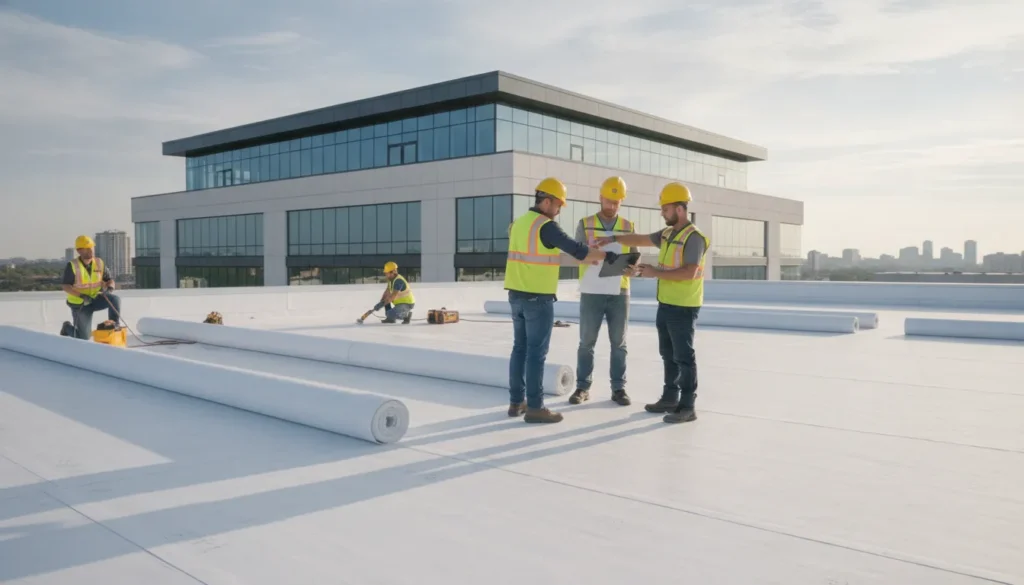
A low-slope roof needs a system suited to its design, and TPO is one option many property owners consider. But comparing prices can get confusing when one proposal includes tear-off and insulation while another leaves those items out. TPO roof installation cost depends on the full scope of work, not just the square footage or membrane price. Before you choose a contractor, it helps to know which details drive the estimate and what a clear proposal should include. We’ll cover common cost factors, possible extra expenses, and questions to ask so you can compare bids more confidently for a coastal South Carolina or southeastern North Carolina property.
Key Takeaways
- Use per-square-foot prices only for early budgeting: Your roof’s size, layout, condition, and required work determine the final TPO installation cost.
- Compare itemized estimates: Check that each proposal lists materials, labor, removal, insulation, repairs, drainage, flashing, permits, and warranty terms.
- Choose a system suited to your building and coastal exposure: Ask a qualified roofer to assess wind protection, drainage, roof details, and ongoing maintenance needs.
What Is TPO Roofing?
TPO, short for thermoplastic polyolefin, is a single-ply roofing membrane often used on flat and low-slope roofs. Contractors install it in wide sheets over insulation or another prepared roof surface, then secure it with mechanical fasteners, adhesive, or an approved attachment system. The seams where sheets overlap are sealed with heat, creating a continuous layer that helps keep water out.
TPO is popular because it combines a lightweight membrane with heat-welded seams, and many versions have a light-colored surface. But the membrane itself is only one part of the roofing system. Insulation, flashing, drainage, roof access, and the condition of the deck all affect how the finished roof performs and how much installation work it requires.
For properties in Myrtle Beach and nearby coastal communities, a roof’s exposure to wind, sun, rain, and humidity should also factor into material selection. Understanding how TPO is installed and where it works well can help you decide whether to include it in your project plans. The National Roofing Contractors Association’s TPO overview provides more background on the membrane.
How Contractors Install and Seal TPO Membranes
Installation begins with preparing the roof surface. The contractor checks the deck and addresses damaged or unsuitable materials according to the project plan. Insulation or a cover board may be installed before the membrane is rolled out and attached. Edges, flashing, and transitions around vents or other roof penetrations need careful detailing, since gaps in these areas can let water into the building.
Contractors seal overlapping TPO sheets with a hot-air welder, which fuses the material together. The process calls for suitable equipment, careful temperature control, and consistent technique. A poorly welded seam can become a weak point, so ask how the contractor checks seam quality and oversees the installation. Today’s Homeowner’s TPO guide explains why professional welding is important to the finished roof.
TPO’s Reflectivity, Durability, and Potential Benefits
Many TPO membranes are white or another light color. A reflective surface can reduce the amount of sunlight the roof absorbs, which may help limit heat transfer into the building. The effect on energy use varies with insulation, ventilation, building design, local weather, and how the space is used. Treat energy savings as a possibility to discuss with your contractor, not a guaranteed result.
TPO can provide a durable roofing surface when the material and full roof system suit the building and are installed correctly. Heat-welded seams and a continuous membrane help protect low-slope roofs from water intrusion. Still, the membrane is not the only factor in performance. Flashing, drainage, attachment, and ongoing care matter too. Ask the contractor to explain the proposed system, including its materials and installation details, rather than relying only on broad claims about longevity or efficiency.
Common Misconceptions About TPO Lifespan, Cold Weather, and Maintenance
There is no single lifespan that applies to every TPO roof. Material quality, installation, climate, drainage, and maintenance all influence how a roof performs over time. Even a well-installed system needs periodic inspections and prompt repairs if damage appears. CentiMark’s discussion of common TPO concerns offers further context on durability claims.
Cold-weather performance also depends on conditions. TPO may become more vulnerable to cracking or punctures in consistently cold climates, but temperature is only one consideration when choosing a roofing system. In coastal South Carolina, owners should also account for sun, wind, heavy rain, and moisture. Routine care is straightforward: keep drains clear, limit unnecessary foot traffic, and have a qualified roofer check seams, flashing, and the membrane after severe weather.
When TPO Suits a Home or Commercial Building
TPO is commonly used on commercial buildings and other properties with flat or low-slope roofs. It may also suit certain residential roof sections, additions, or porches, depending on the design and drainage. It is not the right fit for every home. A roof’s slope, layout, and existing construction can make another material or system a better choice.
Before deciding, ask a contractor to assess the roof, including its drainage, insulation, penetrations, deck condition, and the use of the space below. A sound recommendation should weigh installation requirements and future upkeep, not just the membrane price. In the Myrtle Beach area, experience with coastal roofing details is especially useful. Coastline Roofing serves residential and commercial properties across coastal communities in South Carolina and southeastern North Carolina.
How Much Does TPO Roof Installation Cost?
TPO roof installation costs depend on the building and the work required, not just the price of the membrane. Roof size and layout, insulation, attachment method, existing roof layers, and deck condition can all affect the estimate. That’s why online prices are best used as a starting point rather than a promise of what your project will cost.
For a more useful comparison, get written estimates based on an on-site inspection and the same scope of work. Ask each contractor to itemize materials, labor, tear-off, disposal, insulation, flashing, and repairs. If you own a commercial property or manage an HOA in Myrtle Beach or the Grand Strand, also ask how the proposal accounts for coastal weather exposure, drainage, and local requirements. Coastline Roofing serves coastal communities in South Carolina and southeastern North Carolina, and can assess your roof’s condition and explain the work included in an estimate.
Use $5–$8 per Square Foot as a Planning Range, Not a Quote
A range of $5 to $8 per square foot can offer a rough starting point for budgeting a relatively straightforward TPO installation. Treat it as a planning figure, not a quote. Actual prices vary with the project’s location, materials, labor, and scope. For comparison, Fixr’s TPO cost guide reports a broad US range of $4.50 to $16 per square foot.
Use a per-square-foot figure to estimate the project’s general scale, then ask a contractor to measure and inspect the roof. Confirm whether the rate includes removing the existing roof, insulation, flashing, disposal, and deck repairs. These items may be priced separately, so two estimates with different totals might not cover the same work. A written, itemized proposal is a better basis for planning than a single online average.
Why Project Scope Changes Published Prices
Two roofs with the same area can have different installation costs. The estimate may change based on membrane thickness, insulation requirements, attachment method, roof shape, and the number of vents, drains, or other penetrations. Flashing details and the condition of the existing roof also affect the labor and materials required.
The building’s location and access can influence pricing, as can labor rates and requirements tied to the selected system or warranty. Tseason Panel’s TPO cost guide describes factors such as installation method, roof conditions, and project specifications. When you compare contractor proposals, check that they specify similar materials and include the same tasks. A lower estimate may cover a narrower scope, while another may include removal, insulation, or repairs. Ask questions about differences before choosing a bid.
How Roof Area Affects Total Cost
Roof area helps determine the amount of membrane and other materials needed, but it doesn’t tell the whole story. A large roof with a straightforward layout may cost less per square foot than a smaller roof that requires detailed work around edges, equipment, or drains. Access also matters: difficult staging or limited room for materials can affect how efficiently the crew can work.
Features such as parapet walls, skylights, vents, and rooftop equipment need careful detailing. These areas can add labor even if they account for only a small part of the roof. Fixr notes that complex roof geometry and numerous penetrations can increase per-square-foot costs. Ask the contractor how the roof area was measured and which features affect the estimate. That gives you a clearer picture of how the project’s size and layout shape the total.
What an Installed-Price Estimate Includes—and Excludes
An installed-price estimate may include the TPO membrane, labor, insulation, attachment materials, seam work, and basic flashing. However, contractors don’t always group costs the same way. Some proposals include tear-off and disposal, while others list them separately. Deck repairs, drainage work, permits, and inspections may also be excluded from the base price.
Ask for a written breakdown that identifies the materials, labor, and work covered, along with any assumptions about the roof’s condition. If the deck is hidden beneath existing roofing, its condition may not be clear until removal starts. Confirm how the contractor will document concealed damage, price additional repairs, and get your approval before proceeding. HomeBuddy’s TPO cost guide also notes that roof size, insulation, installation method, and removal needs can affect a project’s total. A detailed estimate helps you compare bids on equal terms and budget for possible extras.
What Factors Affect TPO Roof Installation Cost?
Roof Size, Shape, Slope, Access, and Penetrations
The roof’s square footage is a major part of an estimate, but its layout also affects the work involved. A large, open roof may cost less per square foot to cover than a smaller roof with numerous corners, elevation changes, or detailed edges. Complex areas take more time to measure, fit, and seal.
Slope and access can affect labor, too. A steep or hard-to-reach roof may require additional safety equipment or staging. Pipes, vents, HVAC units, skylights, and other roof penetrations need careful flashing to help keep water out. On commercial buildings, rooftop equipment can add time and detail work. Roof design and access are among the factors that can influence the final cost.
Membrane Thickness, Material Quality, and Attachment Method
TPO membranes come in different thicknesses and product specifications. Thicker membranes generally cost more, but the right option depends on the building, expected roof use, manufacturer requirements, and project budget. Ask your contractor to explain the options for your roof instead of choosing based on upfront material cost alone. Membrane thickness is one of several product choices that can affect an estimate.
The attachment method also influences material and labor costs. TPO may be mechanically attached or adhered, depending on the roof assembly and project requirements. Each approach has specific requirements for the deck, insulation, and wind performance. Ask the contractor to outline the proposed system and why it fits your building. For properties near the coast, discuss how the attachment method and roof-edge details address local wind exposure.
Insulation, Drainage, and Roof-Deck Condition
A TPO estimate may include insulation beneath the membrane, but the type and amount can vary. If existing insulation is wet, damaged, or insufficient for the project, replacing or upgrading it can add to the total. The contractor should also inspect the roof deck to determine whether it can support the new system. Soft, corroded, or deteriorated sections may need repair before installation.
Drainage deserves attention during the inspection. Low areas where water collects may call for tapered insulation or other adjustments to direct water toward drains and scuppers. These changes can increase the initial project cost, but they address conditions that could affect roof performance. The cost of TPO installation can vary with insulation, attachment, roof removal, and the condition of the existing roof assembly.
Labor, Timing, Local Codes, and Warranty Requirements
Labor costs depend on location, roof complexity, and the crew’s experience. Timing and site conditions matter as well. Weather, access, and the need to coordinate work around tenants, customers, or building operations can affect the schedule. For a business, phasing the work or protecting equipment and occupants may require additional planning.
Local codes and warranty requirements can also shape the roof assembly. The membrane, insulation, attachment method, flashing, and fastening pattern may need to meet specific project requirements. Ask which permits and inspections apply and whether they’re included in the estimate. Online labor figures provide context, but they aren’t a substitute for a site-specific quote. Labor rates and project variables vary by location and scope.
Installation Quality, Seam Work, and Project Oversight
TPO seams are heat-welded, so installers need suitable equipment and experience to create consistent bonds. Poor seam work can leave vulnerable areas where water may get in. The membrane also needs careful detailing around roof edges, drains, and penetrations. Professional TPO installation is important because workmanship can affect the performance of the finished system.
Before work begins, ask how the contractor will inspect seams, document progress, and oversee the job from preparation through final review. Clear oversight helps confirm that the specified materials are used and roof details are completed as planned. For a coastal property, include drainage and edge conditions in the discussion. Coastline Roofing serves Myrtle Beach and surrounding coastal communities, with roofing services for residential and commercial properties.
What Additional Costs Should You Budget For?
A TPO installation estimate may not include every cost the project requires. Removing the old roof, repairing the deck, upgrading insulation, improving drainage, and adding flashing or edge metal can all affect the final price. Ask the contractor to identify what the estimate covers and which items may be priced separately.
For a commercial property in Myrtle Beach or the Grand Strand, make sure the proposed scope accounts for local permit requirements and the roof’s drainage and edge details. A written breakdown helps you compare bids and understand how unexpected repairs will be handled.
Remove and Dispose of the Existing Roof
If the existing roof needs to come off, allow for tear-off labor, hauling, and disposal. The cost depends on factors such as roof size, access, the material being removed, and whether the roof has multiple layers. Removing the old system may also reveal damage that was not visible during the initial inspection.
In some cases, a contractor may recommend installing TPO over an existing roof. Whether that is suitable depends on the roof’s condition, applicable code requirements, and the specifications for the new roofing system. Ask for the cost and scope of both options, if appropriate, and confirm whether disposal is included. This TPO cost guide explains why removal and disposal can add to the project budget.
Repair the Deck, Upgrade Insulation, and Improve Drainage
A new TPO system needs a sound roof deck. If tear-off reveals soft, damaged, or uneven areas, repairs or replacement may add materials and labor to the project. Ask how the contractor will document the damage and get your approval before completing work beyond the original scope.
Insulation and drainage can also affect the estimate. Your building may need insulation that meets project or code requirements, while low spots or poorly placed drains may need attention to help direct water off the roof. The right approach depends on the building and roof assembly. Ask the contractor to list deck repairs, insulation, and drainage work as separate line items. This overview of TPO installation cost factors discusses how insulation, roof size, and other project details can affect pricing.
Add Flashing, Edge Metal, Permits, and Inspections
The membrane is only one part of a TPO roof. The installation also needs appropriate details around roof edges, drains, vents, and other penetrations. Flashing and edge metal help finish and protect these areas. The amount of material and labor required depends on the roof’s design, condition, and number of transitions.
Permits and inspections may add fees, depending on the project and local requirements. Confirm who will handle permit applications and whether the estimate includes associated costs. Ask for a written description of the flashing and edge-metal work, too, so you can see what the contractor plans to install. This guide to TPO roofing costs and project details notes that these expenses can vary with roof complexity and local rules.
Budget for Concealed Damage Found During Installation
Some roof problems are not apparent until the existing material is removed. A contractor may find rotting wood, wet insulation, or structural damage that needs attention before installing the new membrane. Since the extent of concealed damage can be hard to determine in advance, ask how the contractor will document and price additional work.
Consider setting aside a contingency, and make sure your contract explains how changes to the scope are approved. Before repair work begins, request photos, a written explanation of the issue, and an updated cost. This guide to TPO roofing recommends accounting for possible hidden damage, including rotted wood and structural problems, when planning a project budget.
How Do Coastal Conditions Affect TPO Roofing Costs?
Coastal weather can affect the materials, installation details, and labor included in a TPO roofing estimate. Wind, heavy rain, intense sun, and local requirements all matter, but the added work depends on the building and its roof.
Secure Roof Edges Against Wind in Myrtle Beach and the Grand Strand
Wind can place extra pressure on a roof’s edges, corners, and seams. To help secure the TPO system, a contractor may specify closer fastener spacing, reinforced attachment, or upgraded edge metal. These details can add material and labor costs, but the right choices depend on the roof design, building height, exposure, and applicable requirements.
Ask the contractor to explain how the proposed system addresses wind exposure, and make sure those details appear in the estimate. A TPO installation overview describes how fastening patterns and edge metal can affect roofing costs in Myrtle Beach.
Account for Heavy Rain, Humidity, Sun, and Drainage
TPO’s reflective surface can help limit heat absorption, but coastal sun still exposes a roof to ongoing weather. Heavy rain makes drainage a priority. Blocked drains, inadequate slope, or areas where water collects may need attention before or during installation, which can add to the project cost.
Seams, flashings, and roof penetrations also need careful installation to help keep water out of the building. Ask your contractor to inspect drainage and identify any required work in the proposal. Fixr’s overview of TPO cost factors explains how regional requirements and roof assembly specifications can affect pricing.
Meet Local Codes Across Coastal Carolina
Requirements vary by location and project. Wind-uplift provisions may affect how a TPO system is attached and which components are used. Permits and inspections can also add time and cost, so confirm who is responsible for them before work begins.
A thorough estimate should describe the proposed attachment method and explain how the system will meet applicable requirements. Labor and project timelines can vary too, especially when a roof has difficult access or complex details. Ask for a price based on your building and the planned scope of work, rather than relying on a broad per-square-foot figure. A contractor familiar with coastal projects in both Carolinas can help account for local requirements.
Choose a Contractor With Coastal Roofing Experience
A contractor who understands coastal roofing can help identify cost factors before installation begins. The inspection should account for roof access, safety needs, penetrations, drainage, and the condition of the deck. These details can affect both the work plan and the final estimate.
Request an itemized proposal that separates materials, labor, removal, repairs, and permit costs. Confirm the membrane specifications, attachment method, warranty terms, and who will oversee the project. Coastline Roofing serves Myrtle Beach and surrounding coastal communities, with licensing in South Carolina and North Carolina, documented project oversight, and experience with commercial roofing. Its GAF and Atlas credentials, along with SC Safe Home and FORTIFIED qualifications, are relevant details to discuss when planning a project.
How Does TPO Compare With Other Roofing Materials?
TPO is one option for flat or low-slope roofs. EPDM and PVC are other single-ply membranes, while asphalt shingles are generally used on sloped roofs. Each system has different installation needs, performance characteristics, and costs. The best fit depends on the roof’s shape and condition, the building’s use, and its exposure to coastal weather.
Compare Upfront Costs With EPDM, PVC, and Asphalt Roofing
TPO, EPDM, and PVC are typically compared for flat or low-slope roofs. Material prices can make TPO look less expensive than some alternatives, but they don’t show the full project cost. Installation, insulation, tear-off, flashing, and roof repairs can all affect the estimate. One TPO cost guide puts installed prices at $5 to $15 per square foot, though actual quotes depend on the roof and work required.
Asphalt shingles are usually considered for sloped roofs, so they may not be a direct substitute for a membrane system. To compare options fairly, ask contractors to price materials suited to your roof and list the same work in each estimate. That way, you can compare the complete scope instead of focusing only on the material cost.
Compare Durability, Energy Performance, and Expected Service Life
TPO has a reflective surface that can reduce how much heat the roof absorbs. Its seams are heat-welded during installation, forming a continuous membrane. These features can be useful on low-slope roofs exposed to strong sun, but reflectivity alone can’t guarantee lower energy bills. Insulation, ventilation, and the building itself also affect energy use.
EPDM is a flexible membrane, while PVC is another single-ply option with heat-welded seams. With any system, material quality and installation have a major effect on performance. High-quality TPO that’s installed correctly and maintained may last 20 years or more, according to this overview of TPO roofing. Ask how each proposed system handles UV exposure, drainage, seams, and repairs, and review the manufacturer’s warranty requirements.
Match the Material to Building Use, Roof Condition, and Budget
Start with the roof’s shape and condition. TPO, EPDM, and PVC are options for flat or low-slope areas, while asphalt shingles are more commonly used on sloped sections. A damaged deck, poor drainage, or multiple existing roof layers can change what’s practical and affect the total cost. An on-site inspection helps a contractor assess these details before recommending a system.
Next, consider how the building is used and what you can spend on installation and upkeep. A commercial property owner may prioritize a membrane system that suits the roof’s layout and maintenance plan. A homeowner may need to coordinate a low-slope addition with existing shingles. Roof size, installation method, and location all influence pricing, as explained in this guide to TPO roofing costs. For coastal properties, ask how the proposed system’s edges and drainage details address local wind and heavy rain.
What Does TPO Roof Maintenance Cost Over Time?
TPO roof maintenance costs vary with the roof’s size, age, condition, and accessibility. Routine inspections and drain clearing are generally simpler expenses to plan for than repairs involving damaged seams, wet insulation, or the roof deck. For commercial buildings in Myrtle Beach and across the Grand Strand, regular upkeep matters because wind, heavy rain, humidity, and debris can affect roof performance.
Set aside an annual maintenance budget, then update it based on a contractor’s findings. A consistent schedule can help identify issues early, when repairs may be more limited. A contractor experienced with coastal roofing can assess your roof’s condition and recommend maintenance suited to the building and its exposure.
Schedule Inspections Twice a Year and After Severe Weather
Schedule professional inspections twice a year, such as in spring and fall, and arrange an additional inspection after severe weather. A roofer can check for ponding water, debris buildup, damaged flashing, and problems around rooftop equipment. Finding these issues early may help prevent leaks and more extensive repairs.
Ask the contractor to document findings with photos and list any recommended work. Keeping these reports gives you a useful record of the roof’s condition over time and helps with budgeting. Regular checks of seams and penetrations are particularly important for TPO systems. A TPO roof inspection can help identify concerns before water reaches underlying materials.
Clear Drains and Debris Without Damaging the Membrane
Check drains and scuppers regularly, especially after storms or when nearby trees shed leaves and branches. Blockages can slow drainage and leave water on a low-slope roof. Remove loose debris carefully, and avoid dragging tools or materials across the membrane.
TPO’s light-colored surface reflects sunlight, but dirt and debris can gather around drains and rooftop units. Use cleaning methods approved by the roofing manufacturer, and avoid harsh chemicals or sharp tools that could damage the membrane. If water continues to collect after drains are clear, have a qualified roofer assess the drainage system and roof slope. Addressing the cause may help prevent recurring issues and added repair costs.
Check Seams, Flashing, and the Roof Surface for Wear or Punctures
During inspections, pay close attention to welded seams, flashing, roof edges, and areas around pipes, vents, and HVAC equipment. These details join the membrane to other surfaces or create openings in the roof, so they deserve careful review. Look for lifted edges, gaps, punctures, cracks, or signs of standing water.
TPO is designed to resist UV exposure and punctures, but it can still be damaged by foot traffic, dropped tools, or equipment work. Limit roof access to necessary tasks, and use a qualified professional for inspections and repairs. Regular checks of seams and penetrations help catch damage early. The National Roofing Contractors and Inspectors Association’s TPO guidance also emphasizes the importance of inspecting these areas.
Arrange Prompt Repairs and Follow Manufacturer Maintenance Requirements
If an inspection finds a puncture, loose seam, or damaged flashing, ask a roofing professional to assess it promptly. A localized repair may be more manageable than addressing water damage to insulation or the roof deck. Keep inspection reports, repair invoices, and maintenance records together. They can help you track recurring problems and support warranty discussions.
Check the warranty terms before authorizing repairs. Manufacturers may specify approved materials, repair methods, or contractor qualifications, and requirements vary by roofing system. Ask your roofer to explain the recommended work and whether it could affect warranty coverage. The NRCIA’s information on TPO roofing outlines why following system requirements matters. Clear records and timely repairs make it easier to manage maintenance over the roof’s service life.
Consider Potential Energy Savings Without Assuming They’re Guaranteed
TPO’s reflective surface can reduce the amount of solar heat absorbed by a roof. Depending on the building, that may help lower cooling demand during hot, sunny periods. Actual energy use also depends on insulation, HVAC efficiency, occupancy, roof condition, and weather, so savings are not guaranteed and should not be treated as a fixed offset to maintenance costs.
To evaluate performance, compare utility bills before and after installation while accounting for changes in building use, equipment, and weather. Keep the membrane clean using manufacturer-approved methods. A roofing contractor can assess the roof system, while an energy professional can help estimate building-wide effects. The NRCIA’s TPO roofing overview describes the potential cooling benefits of reflective membranes.
How Can You Get an Accurate TPO Roof Installation Estimate?
A reliable estimate starts with an inspection and a clear description of the work. Ask the contractor to explain what the price includes, what might change it, and how extra work will be approved. This helps you compare bids based on the same scope, materials, and warranty coverage, rather than on the total alone.
Ask a Contractor to Inspect the Roof and Check the Deck
The roof’s surface may not reveal problems underneath. Before pricing the job, a contractor should assess the existing roofing, insulation, drainage, flashing, and deck. Moisture damage or deteriorated decking can change the recommended work and increase the project cost.
Ask what the inspection covers and whether you’ll receive photos or notes showing areas that need attention. If the roof is difficult to access, find out whether specialized equipment is needed and whether that cost is included. A thorough inspection can help reduce surprises once installation begins. Today’s Homeowner’s guide to TPO roofing explains how roof condition, insulation, membrane thickness, and removal needs can affect an installation estimate.
Request Itemized Costs for Materials, Labor, Removal, and Repairs
Ask for a written estimate that breaks out the main costs. It should identify the membrane and insulation, labor, roof preparation, removal and disposal of the existing roof, and any anticipated deck or flashing repairs. If the project requires drainage improvements, edge metal, or special access equipment, ask for those costs to be listed separately.
An itemized estimate makes it easier to compare bids on equal terms. Confirm that each contractor is pricing the same roof area and scope, then ask which costs could change if the crew finds concealed damage. Today’s Homeowner notes that installation costs depend on roof condition and insulation needs, so a general per-square-foot figure is a starting point, not a quote for your building.
Confirm Membrane Thickness, Attachment Method, and Warranty Terms
TPO systems vary in membrane thickness, insulation, and attachment method. Ask the contractor to specify the proposed membrane thickness and whether the system will be mechanically attached, fully adhered, or installed using another approved method. The right approach depends on the building, roof deck, wind requirements, and manufacturer specifications.
Request warranty terms in writing. Confirm what the material warranty covers, whether workmanship has separate coverage, how long each warranty lasts, and whether maintenance requirements apply. Two estimates that both include TPO may offer different levels of protection. Fixr’s overview of TPO installation variables identifies thickness, attachment method, and warranty terms as details worth checking before you choose a proposal.
Check Permit Responsibilities, Licensing, Credentials, and Project Oversight
Before signing, ask who will apply for permits and arrange required inspections. Requirements depend on the project and location, so have the contractor identify applicable permits and clarify whether fees are included. Ask who will supervise the work, how progress will be documented, and how changes to the scope will be approved.
Verify that the contractor is licensed to perform the work in your state, and ask about relevant manufacturer credentials and experience with commercial roofing in coastal conditions. For projects in South Carolina or southeastern North Carolina, confirm the contractor is qualified to work in the state where the property is located. Coastline Roofing serves coastal communities in both Carolinas and provides documented project oversight. Make sure responsibilities and qualifications are clear before work starts.
Related Articles
- TPO Roofing: Unveiling the Truth Behind Common Misconceptions
- Pros and Cons of TPO vs. Modified Bitumen for Flat Roofs
- TPO Roofing Cost Per Square Foot
- What Is TPO Roofing and How Much Does It Cost?
- TPO Roof Cost: Installation Variables and Project Prices
Frequently Asked Questions
Is TPO roofing a good choice for a flat roof in Myrtle Beach?
It can be a suitable option for flat or low-slope roofs, including some commercial buildings and residential additions. The right choice depends on the roof’s condition, drainage, layout, and exposure to coastal weather. Have a contractor inspect the roof and explain how the proposed system addresses wind, rain, and roof-edge details.
How much should I budget for a TPO roof installation?
A rough planning range is $5 to $8 per square foot for a relatively straightforward installation, but that figure is not a project quote. Removal, insulation, deck repairs, flashing, drainage work, and roof complexity can change the total. Request an itemized estimate based on an on-site inspection.
Does a TPO roof guarantee lower energy bills?
No. A light-colored TPO surface may reflect sunlight and reduce heat absorption, but the effect on energy use varies. Insulation, ventilation, HVAC equipment, building design, and how the property is used all play a role.
What should I compare when reviewing TPO roofing estimates?
Check that each proposal covers the same work and identifies the membrane, insulation, attachment method, tear-off, disposal, flashing, repairs, and permits. Also ask how concealed damage will be documented and priced, and review material and workmanship warranty terms before choosing a contractor.
How often does a TPO roof need maintenance?
Plan on professional inspections twice a year and after severe weather. Keep drains clear, limit unnecessary foot traffic, and have a roofer check the seams, flashing, roof edges, and areas around equipment. Follow the manufacturer’s care requirements to help protect the system and its warranty.